Snagging in Construction- A Practical Guide to Snag Lists & Inspections.
Snagging in Construction- A Practical Guide to Snag Lists & Inspections.

Dec 01, 2025
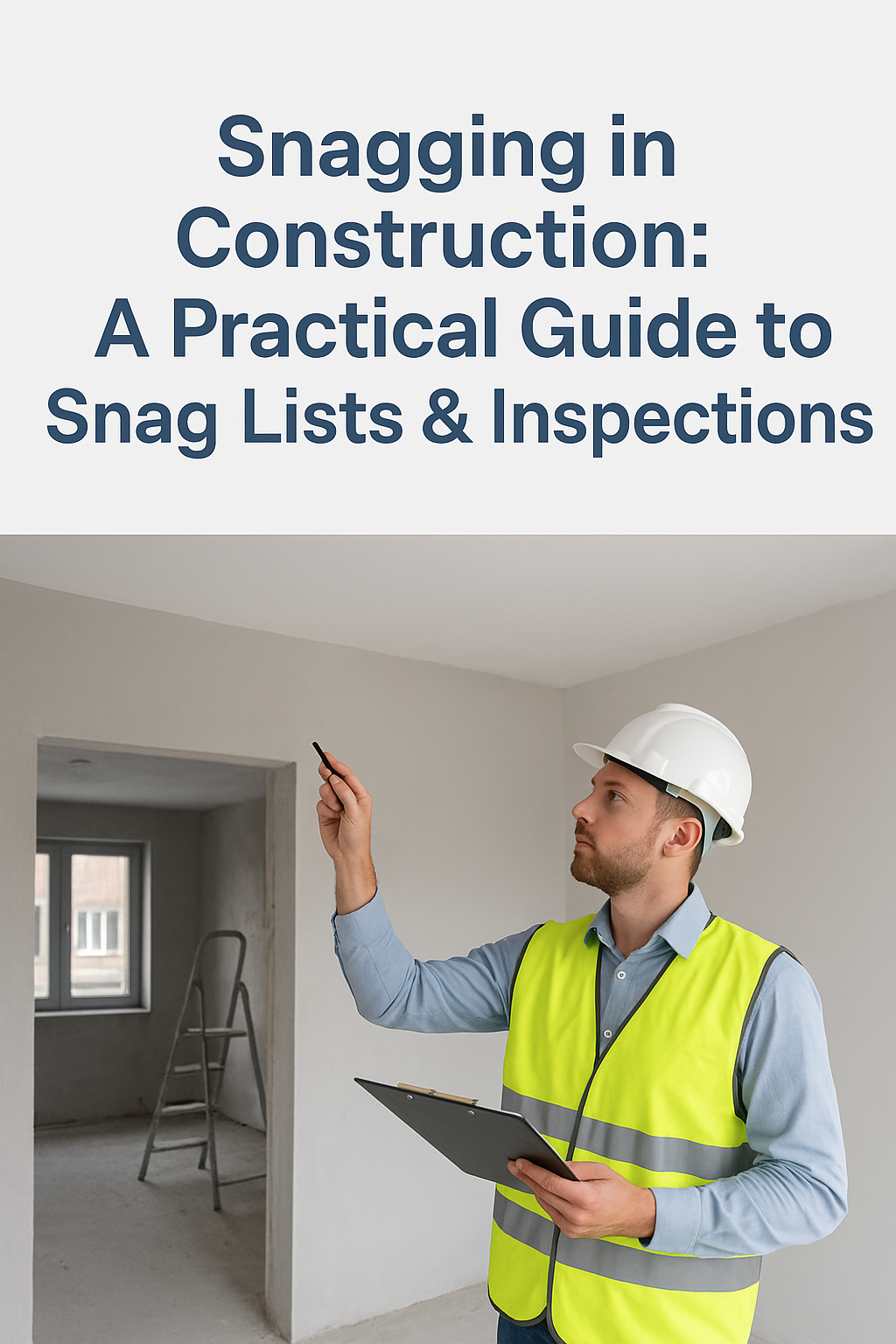
Snagging in Construction- A Practical Guide to Snag Lists & Inspections.
Construction snagging is one of the most important parts to guarantee your building project will be delivered to meet required standards, specifications and clients What is house Snagging. Whether it’s a house, office complex or major infrastructure project, ‘snagging’ is the art of finding and fixing anything that’s not quite right - unfinished work, faults and variations from the approved design.
A comprehensive snagging procedure combined with a formatted snag list, helps the construction teams and parties involved to hand over high quality projects without any conflict or resolution costs. In an expanding construction industry which was moving faster than ever, snagging inspections had become a critical factor in quality, client satisfaction and the lifecycle performance of assets.
Funky Productions, November 28, 2015 This complete guide to snagging defectsgoes in-depth into theprocessofsnagging best practices, what itemsget snagged and why its crucial that you hire a professionalto carry outasnagging report on every project and buildbefore final handover.
What Is Snagging in Construction?
Construction snagging is the process of going round a new build property and making sure that all small defects, unfinished work and minor issues are completed before final handover to client. These snags can include:
In a similar way, cosmetic imperfections—chipped waists or scratches—
Functional problems like malfunctioning appliances
Periodic structural issues, such as wall cracks
Articles not installed in accordance with Specifications/proper alignment and such as off-specification, out-of-plumb and off-line work.
To put it simply snagging is the quality-control step that makes sure a project exceeds the quality standards before completion.
Why Snagging Matters
Makes sure the project complies with standards and the project plans and specifications.
Helps detect defects early
Reduces future maintenance costs
Enhances client satisfaction
Safeguards the contractor for faulty work during DLP
Snagging is not a luxury – it is part and parcel of the contract and an integral element to every thriving construction project.
What Is a Snag List?
Snag list explanation: simply, it is a punch list or Inspection details of any defect found by inspection. It’s all the stuff that needs to be fixed before the project can be delivered.
A typical snag list includes:
Nature of the defect
Snagging items requiring action
Location on site
Severity (major, minor, cosmetic)
Responsible subcontractors
Timeframes for rectification
Supporting evidence such as photos
Notes from the snagging inspector
It’s typical that you’re given a snagging report by professional snagging companies and experienced construction teams, which consolidates all snags in a clear, organized form – listing what the issue is and should be doing about it.
The Snagging Process Explained
The snagging procedure is multi-stage and multiple-party. Here’s an explanation of what snagging is within a construction project:
Initial Inspection
It is at this point, that built environment practitioners or snagging inspectors inspect the property for manifest defects or incomplete work.
They assess:
WALLS (cracks, chipping paint, surface irregularity)
Floors (gaps, alignment, incorrect materials)
Fixtures and fittings
Structural elements
MEP systems (mechanical, electrical, plumbing)
Creating a Detailed Snag List
Every fault found is added to a detailed list of snags.
This consists of photographs, descriptions and necessary corrective action.
Assigning Responsibilities
The snag list is shared with:
Main contractor
Subcontractors
Consultants
Relevant specialists
Every single snagging item needs to be dealt with by the relevant team.
Rectifying Identified Issues
This is the method and procedures used in determining and correcting all deficiencies, checking for equipment meeting certain expectations and specifications.
Typical rectification tasks include:
Fixing structural issues
Patching chipped paint
Replacing damaged fixtures
Fixing install that is out of plumb / level
Addressing cosmetic and functional problems
Re-inspection
When contractors have said the work is finished, the snagging inspector then carries out a re-inspection to test every snagging item has been corrected.
Final Handover
The project is handed over to the client once there no more problems and it achieves acceptable quality levels.
Defects Liability Period (DLP)
A defects liability period (in some ways similar to warranty) is the time during which the contractor who has completed the works is responsible for defects, and obligations that have not been fulfilled.
If within such period, defects appear in the work, contractor shall make repairs at his own expense.
Common Snagging Issues in Construction
Although every construction project is different, certain snags crop up all the time across the industry. These are the most common snagging problems that inspectors found:
Cosmetic Defects
Chipped paint
Scratches on floors or countertops
Misaligned trim
Cracks in walls
Poor finishing
Poor Workmanship
Things not installed level and plumb
Loose fixtures
Incorrect material installation
Poorly executed joints or seams
Structural Issues
Cracked walls
Uneven floors
Poor framing or alignment
Defective concrete
MEP Defects
Faulty electrical outlets
Leaking pipes
Incomplete HVAC installation
Improper insulation
Incomplete Work
Unfinished painting
Missing fixtures
Incorrect installation of equipment
Previous phase snag items not fixed
These matters underscore the importance of ongoing inspections and proactive quality control at all stages during construction.
Why Snagging Inspection Is Important
A professional snagging survey is essential in order to establish how the quality of construction compares with contract expectations.
Key Benefits of Snagging Inspections
✔ Catch problems early before they get worse
✔ Project is up to the mark
✔ No arguments to deal with during final hand over
✔ Improve project transparency
✔ Quality assurance and quality control.
✔ Ensure client satisfaction
✔ Bring the defects to their attention in a concise format i.e. through a snagging report
✔ Prevent long-term maintenance problems
Snagging checks also reduce the risk of contractors bearing costs for claims or disputes as well as wasteful reworking costs.
The Position of a Snagging Inspector
A snagging inspector is generally a qualified construction professional who carries out impartial inspections of new builds in order to spot any defects or undesirable variations from what was agreed during the project specifications phase.
Responsibilities include:
Search of all parts to the construction site
Preparing a detailed snag list
Providing a professional snagging report
Advising contractors on rectification steps
Keeping detailed records
Final handover with all defects rectified.
As an independent QC authority
Engaging a professional snagging company ensures the development has full quality control before handover to the client.
Snagging Lists in Construction Projects
The forking list is the core of Quality Assurance. A detailed snag list includes:
Snag Categories
Structural defects
Cosmetic defects
Safety hazards
MEP issues
Functional defects
Contractual deviations
Missing fixtures or components
Key Snag List Sections
Ceilings
Walls
Doors and windows
Cabinets
Countertops
Floors
Mechanical systems
Plumbing systems
Electrical systems
A good snagging list will help to promote smooth end of works and accountability among subcontractors and teams.
Quality Assurance vs. Quality Control in SnaggingWHAT IS SNAGGING?
Knowing the difference can lead construction teams to better practices.
Quality Assurance (QA)
It is a proactive method for avoiding defects resulting from planning, processes, and standards.
Quality Control (QC)
The reactive, defect-finding way of providing insight into a development process.
Catching is part of quality control, and can be done best with good QA practices such as:
Regular inspections
Clear documentation
Compliance checks
Consistent communication among stakeholders
Common Best Practices for Punchlist and Closeout
To make sure snagging is as effective and precise as possible, construction contractors follow these best practices:
✔ Snagging at various intervals
✔ Use digital snagging tools
✔ Keep detailed records
✔ Assign deadlines and responsibilities
✔ Use an inspection checklist
✔ Engage a professional snagging company
✔ Complete a final snagging report review
Snagging problems and how to solve them
Snagging challenges often arise from:
Time Pressure During Handover
Rushing leads to missed defects.
Solution: Schedule phased snagging inspections.
Incomplete or unclear specifications
This results in whoever is considering the concept of “required standards” to become confused.
Solution: Keep requirements up to date and share them with everyone involved.
Poor communication among subcontractors
Delays in rectifying identified defects.
Solution: Centralize snagging reporting and leverage digital tracking tools.
Failure to perform regular inspections
Defects accumulate and become costly.
Solution: Include QA and QC checks at every stage of the build.
Lack of trained snagging inspectors
Unqualified personnel miss key defects.
Solution: Use a professional snagging company with construction experience.
So Why Do You Need Professional Snagging Services?
A commercial snugging company provides experience, highly-developed equipment and an independent ‘eyes on’ the build. The participation of the three key stakeholders in this project guarantees that its outcome will be:
Meets required standards and specifications
Is free from significant defects
Complies with contractual obligations
Achieves a defect-free handover
Construction Teams Looks GoodThe reputation of construction teams is enhanced
Snagging engineers and inspectors are trained to spot the tiniest of issues — be they cosmetic chips or structural flaws — and help make sure that the building is a safe, functional work or living space finished to a high standard.
Final Thoughts
"Snagging" is the stage where all projects are extraordinary quality control and standard conforming, necessary to be implemented before final acceptance. By spotting and correcting errors to generating comprehensive snagging reports, this system safeguards our clients, upholds construction crews, and makes site handover seamless.
By implementing industry best practices, regularly checking work on site and engaging professional snagging companies, construction professionals can save time and boost client satisfaction so the overall level of quality remains high in the building sector.